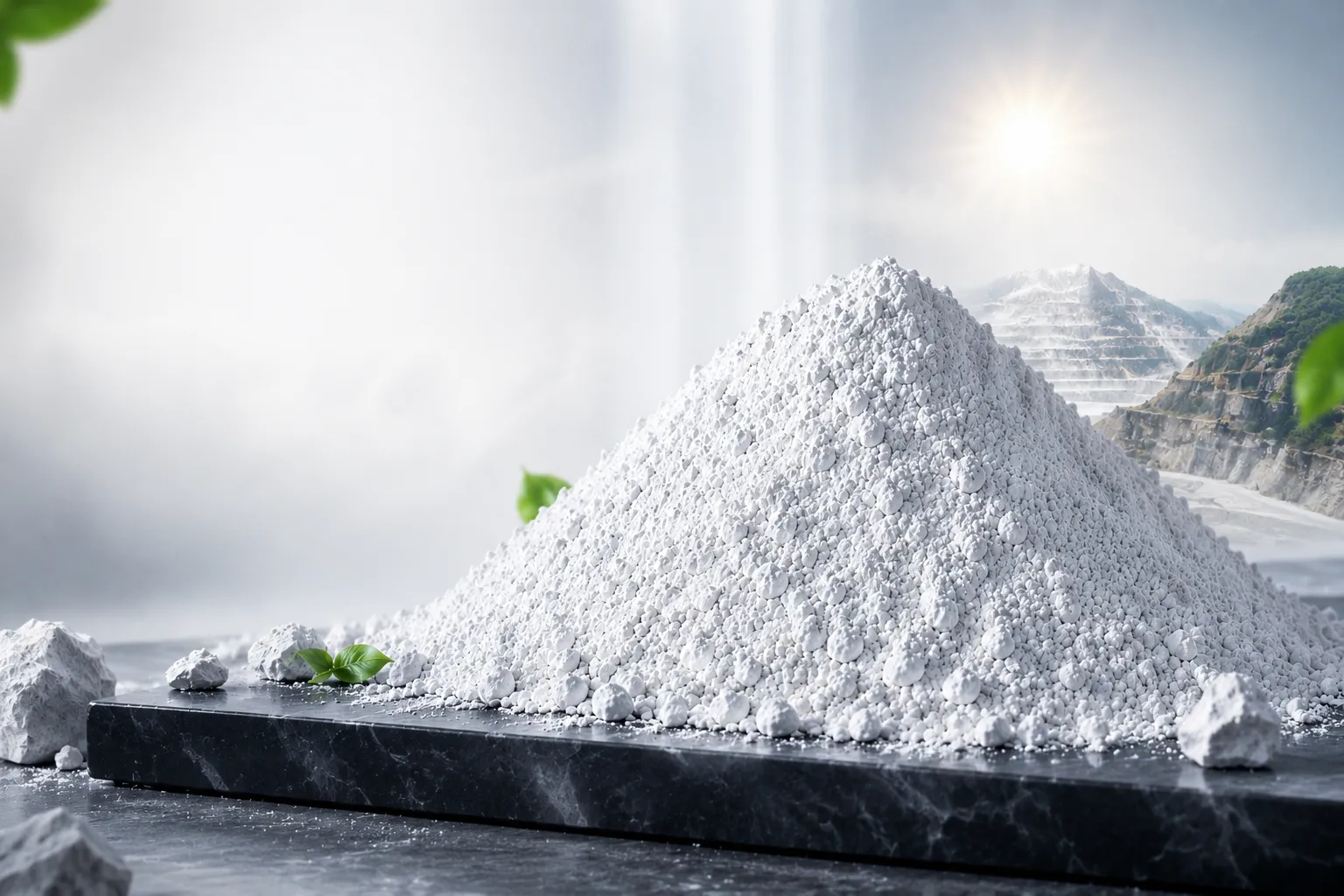
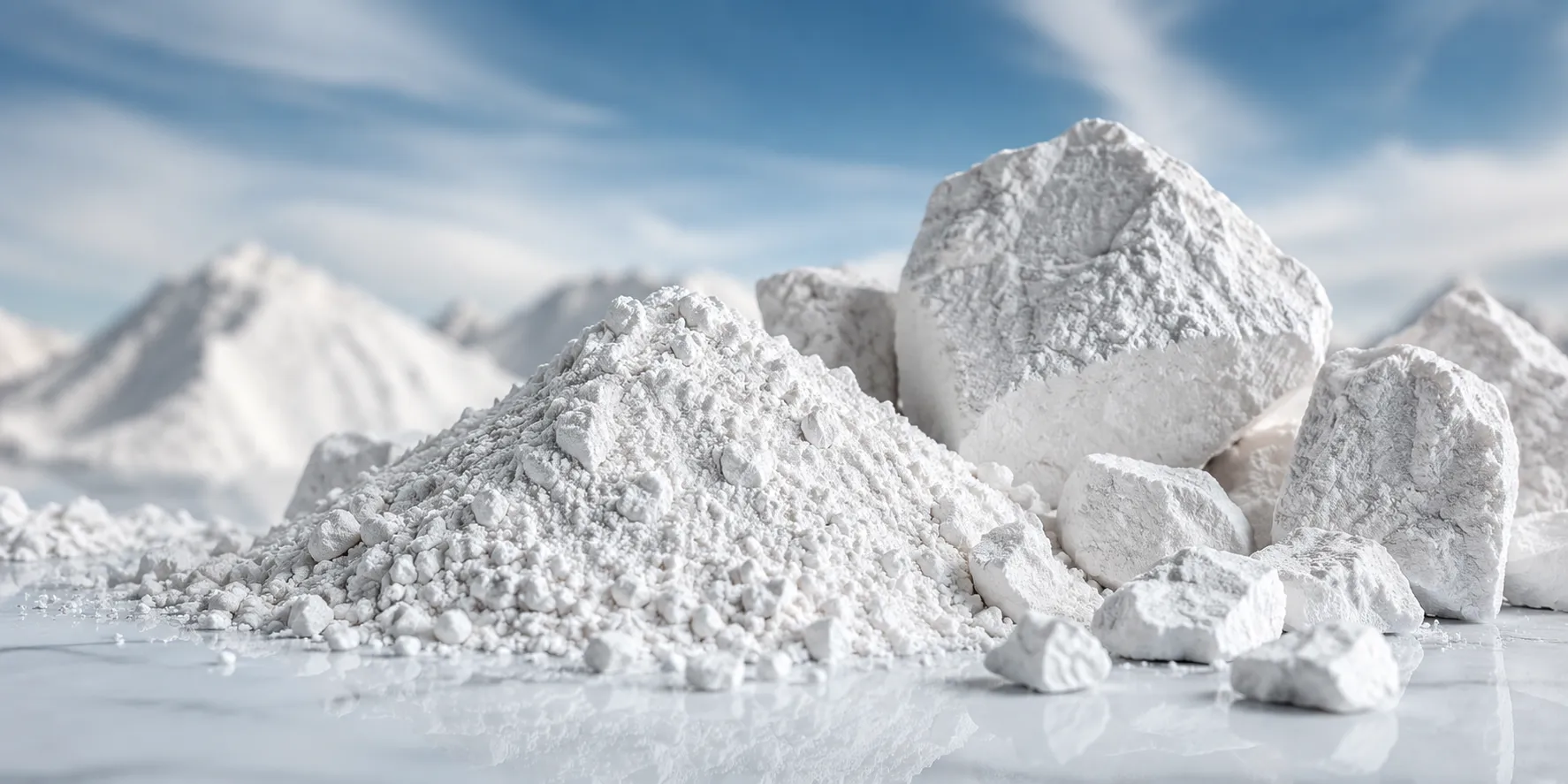
Hind Group's Calcium Carbonate (CaCO₃) manufacturing process transforms naturally sourced Calcite stone into high-purity Ground Calcium Carbonate (GCC) powder through a series of carefully controlled mechanical and chemical stages.
Our process delivers both Coated and Uncoated GCC grades, tailored precisely to client specifications – from mesh fineness to surface chemistry.
Each stage – from raw material sourcing and jaw crushing through precision grinding, air classification, stearic acid coating, and final packaging – is monitored for consistency, purity, and particle size distribution to meet the demands of rubber, plastics, paper, paint, and construction industries.
An end-to-end controlled process from raw calcite to finished, packaged calcium carbonate powder.
Calcite stone sourced from verified suppliers
Stones air-washed to remove surface impurities
Crushed manually to 12 mm stone chips
12 mm chips stored in hoppers via elevator
Grinding to 300 mesh in ball mill with media
Negative pneumatic sorting by particle size
Stearic Acid coating per client specification
Graded packing & stitching for dispatch
Each manufacturing stage is engineered for maximum efficiency, purity control, and output consistency.
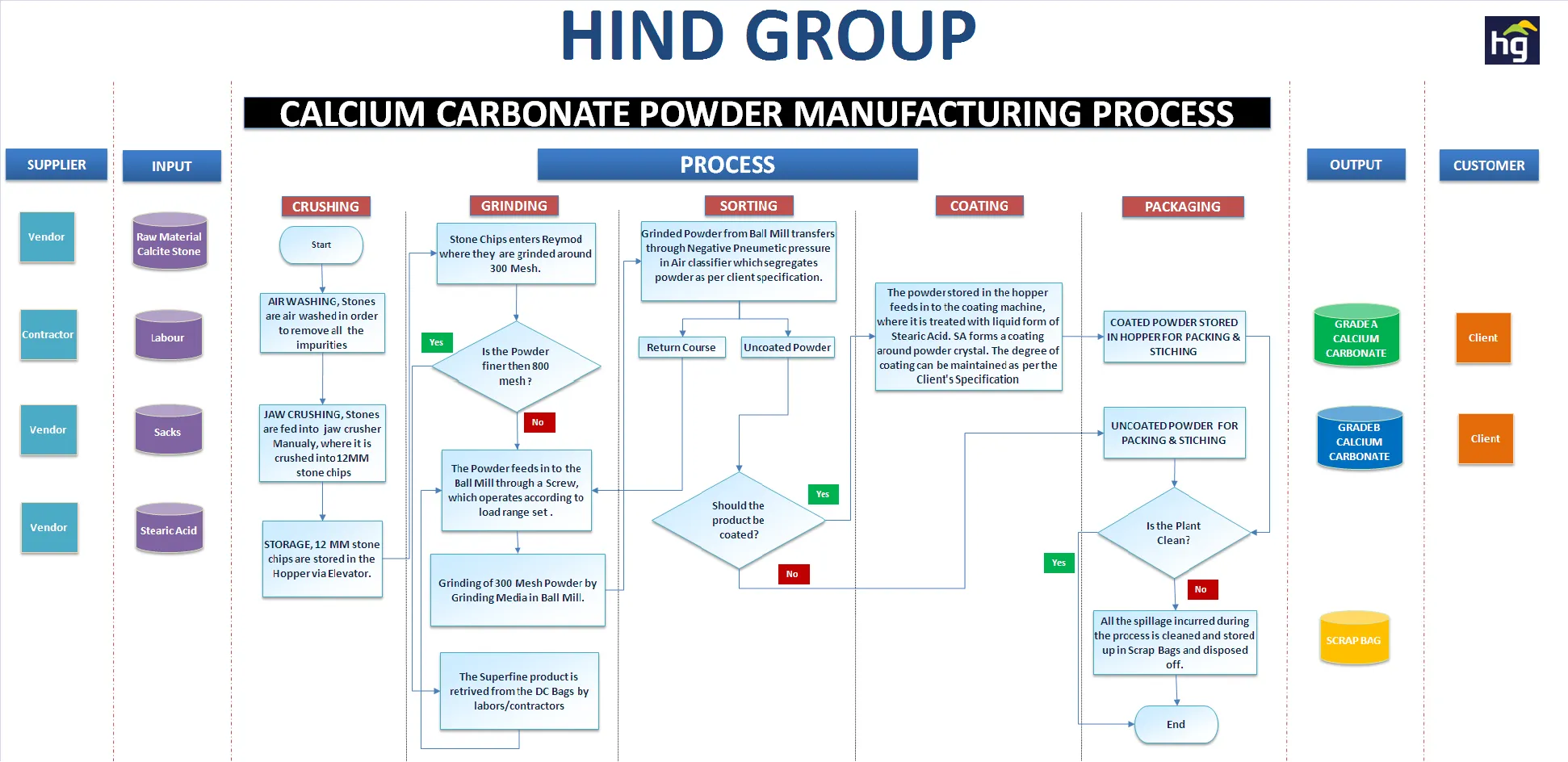
High-quality Calcite stone is sourced from approved vendors and contractors. Only stones meeting purity and whiteness standards are accepted at our facility.
Calcite stones undergo air washing to remove surface dust and impurities. They are then manually fed into a jaw crusher, which reduces them to uniform 12 mm stone chips. Chips are stored in hoppers via elevator conveyors.
Stone chips enter the Reymond mill where they are initially ground to around 300 mesh. A quality check is then performed – powder finer than 800 mesh proceeds directly; coarser material feeds into the Ball Mill via a screw conveyor.
Ground powder from the Ball Mill is transferred through Negative Pneumatic Pressure into an Air Classifier, which segregates powder into precisely specified particle sizes as per client requirements.
Powder requiring surface treatment is fed from the sorting stage into the coating machine's hopper. It is treated with liquid-form Stearic Acid (SA), which forms a uniform coating around each powder crystal. Coating level is adjustable to match client specifications.
Finished Calcium Carbonate powder, including both coated and uncoated grades, is processed through a fully automated bag packaging system. The system ensures precise weighing, automatic bag filling, and controlled packaging operations while maintaining consistent product quality and minimizing manual intervention.
At multiple checkpoints throughout the process – grinding fineness, coating uniformity, and final product specification – quality is verified before each stage proceeds.
Finished products are dispatched as Grade A Coated Calcium Carbonate, Grade B Uncoated Calcium Carbonate, or Scrap Bag material – each labelled and traceable to its production batch.
Supplier → Input → Process → Output → Customer – a complete view of our calcium carbonate manufacturing system.
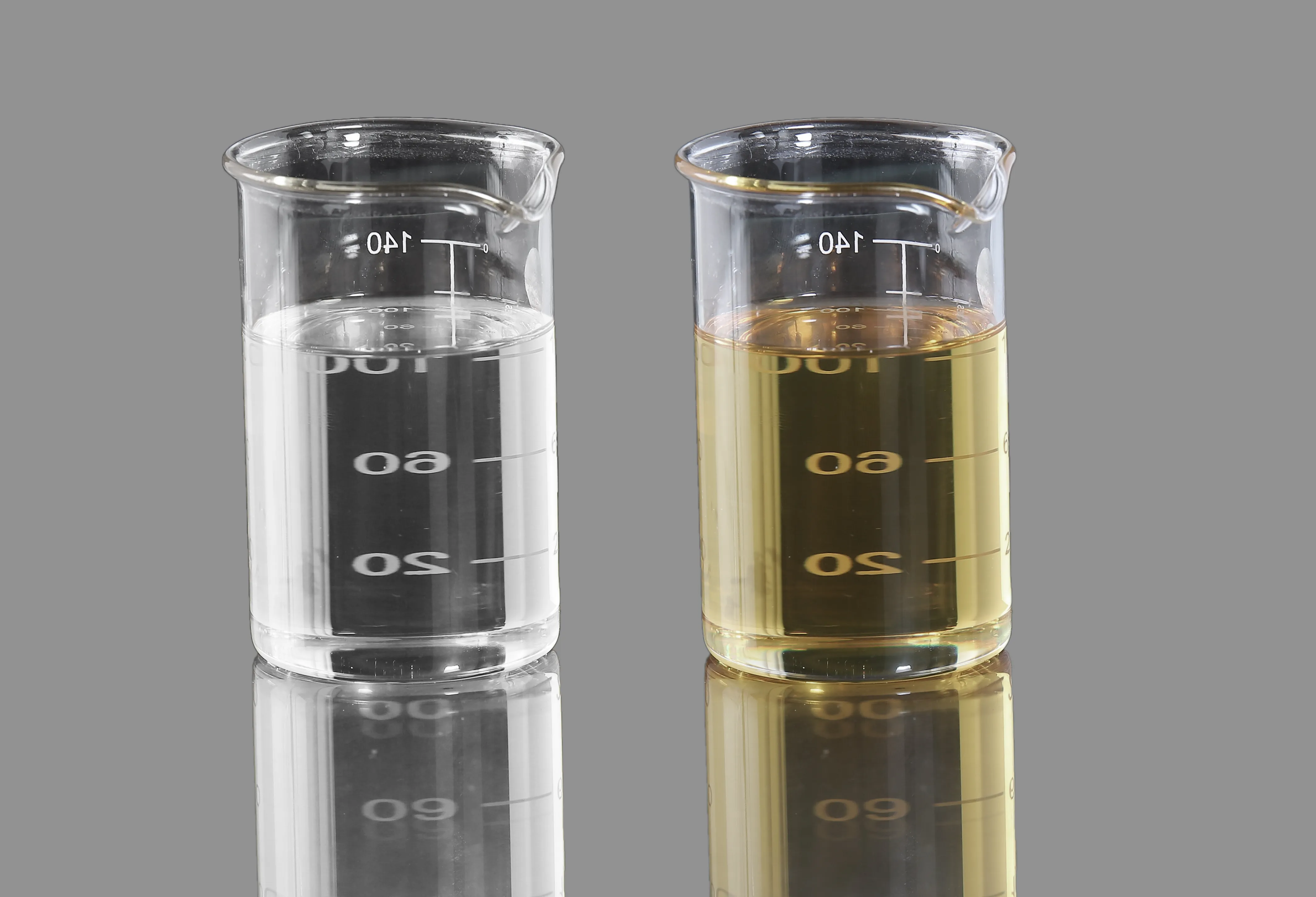
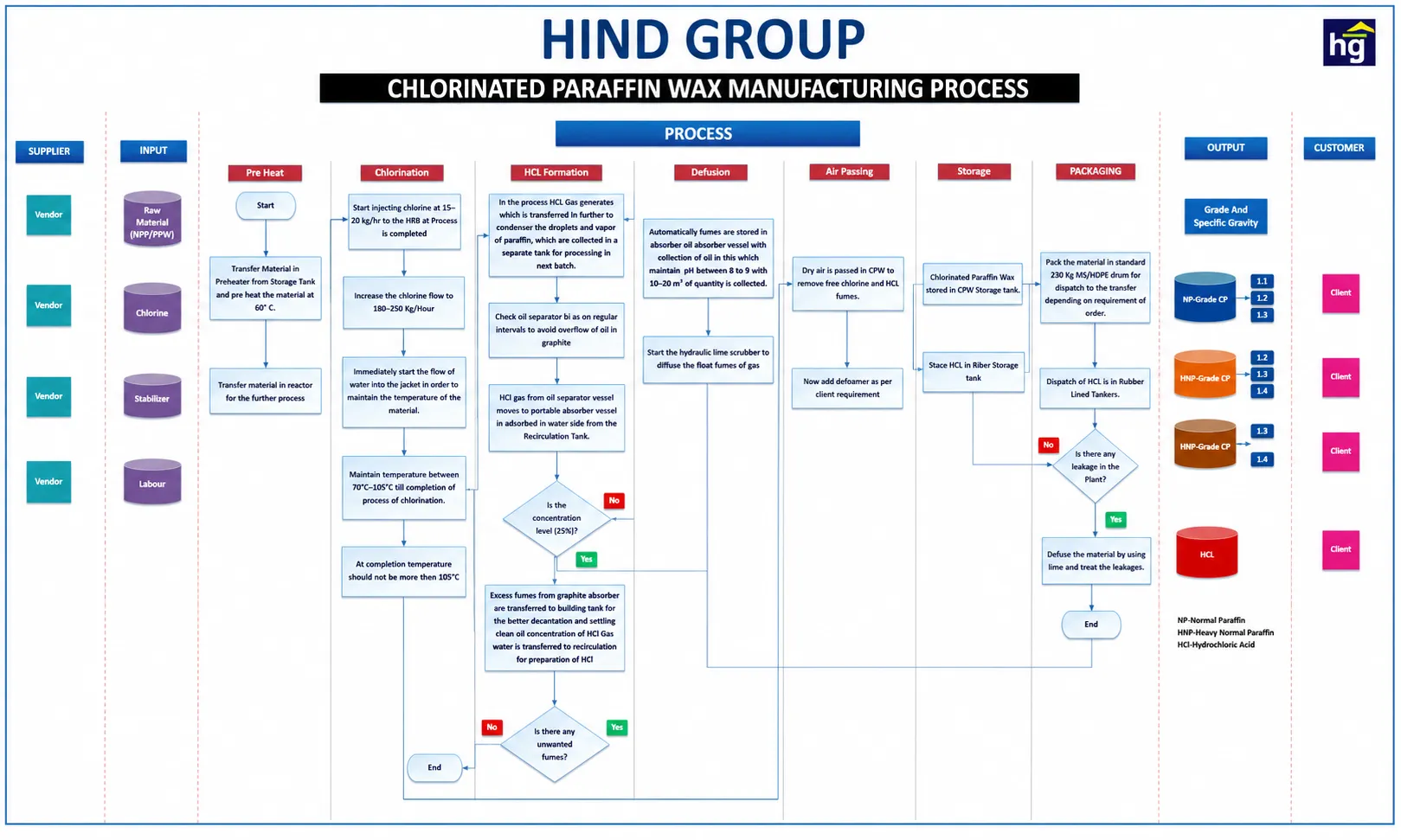
Hind Group's Chlorinated Paraffin Wax (CPW) manufacturing process transforms raw paraffin feedstock – Normal Paraffin (NPP) and Heavy Normal Paraffin (PPW) – into high-performance chlorinated products through a tightly controlled, multi-stage chlorination and purification sequence.
Our process produces NP-Grade CP, HNP-Grade CP, and by-product Hydrochloric Acid (HCl) – each to precise specific gravity, concentration, and purity specifications per client requirements.
From pre-heating and chlorine injection through HCl formation, defusion, air passing, storage, and final packaging into 250 kg MS/HDPE drums – every stage is monitored for temperature control, concentration levels, leakage safety, and product consistency.
An end-to-end controlled process from raw paraffin to finished, graded chlorinated paraffin wax and HCl.
Material pre-heated to 60°C in storage tank
Chlorine injected at 15–20 kg/hr, raised to 180–250 kg/hr
HCl gas condensed, oil-water separation at 25% concentration
Absorber vessel collects fumes; lime scrubber diffuses gas
Dry air passed to remove free chlorine & HCl fumes
CPW in storage tank; HCl in Riber storage tank
250 kg MS/HDPE drum packing & dispatch
Each manufacturing stage is engineered for precise temperature control, concentration monitoring, and product safety.
Raw material (NP/HNP) is transferred from storage tank to the preheater and pre-heated to 60°C. Material is then transferred to the reactor for chlorination.
Chlorine injection begins at 15–20 kg/hr into the HRB and is progressively raised to 180–250 kg/hr. Water flow is started into the jacket to maintain temperature. Process runs at 70°C–105°C until chlorination is complete.
During chlorination, HCl gas is generated and transferred to a condenser. These are collected in a packaging tank. HCl gas from oil separator moves to the portable absorber vessel, absorbed in water from the recirculation tank. When concentration reaches 30-33%, excess fumes transfer to the building tank.
Fumes are automatically stored in an absorber oil absorber vessel. Hydraulic lime scrubber is started to diffuse float fumes of gas. Defoamer is added per client requirement.
Dry air is passed through the CPW batch to remove residual free chlorine and HCl fumes, ensuring the final product meets purity and safety specifications.
Finished CPW is stored in the CPW storage tank. HCl is stored in a Riber storage tank. A plant leakage check is mandatory before packaging – any leakage triggers a lime treatment and defusion procedure before continuing.
CPW is packed in standard 250 kg MS/HDPE drums for dispatch. Products are dispatched as NP-Grade CP (grades 1.1, 1.2, 1.3), HNP-Grade CP (grades 1.2, 1.3, 1.4), and HNP higher grades. HCl is dispatched in rubber-lined tankers.
Supplier → Input → Process → Output → Customer – the complete view of our Chlorinated Paraffin Wax manufacturing system.
Talk to our product experts for customized pricing, technical specifications, samples and dedicated bulk supply contracts.